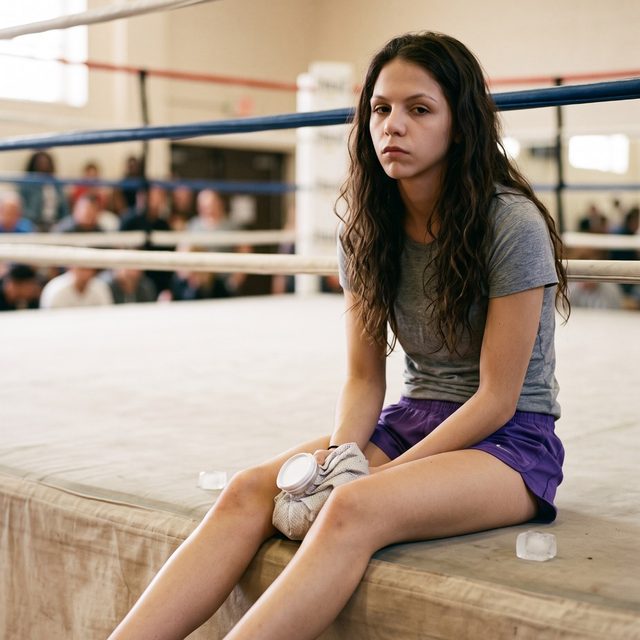
This morning I am outside the gym door, rolling one shoulder before the first round, when my foot catches on the rubber mat. I laugh, reset, and walk in crooked. If you came here wondering how to start when you don't feel ready, that clumsy step is the answer.
You may have a blank document open, shoes beside the bed, or a call you keep moving to tomorrow. You know what to do. You just cannot make yourself cross the little strip of floor between thinking and doing. I know that strip very well.
I was fourteen when I walked into my first capoeira class. I did not have the rhythm, the balance, or a secret store of courage. Later came the roda, where waiting outside felt much more sensible than entering. I entered badly. My feet learned because they finally had a mistake to work with.
Readiness comes after contact
Readiness feels like permission, so it is easy to wait for it. I do not trust it. Before the first attempt, your mind can only rehearse guesses. After the attempt, even an awful one, you have facts. The opening is stiff. The first line is wrong. Your voice shakes on the call. Good. Now there is a real thing to fix.
This is how movement works for me. I cannot correct a kick I have not thrown. I cannot find the rhythm of a sequence while standing still. My body needs contact with the floor, the bag, or the beat. Your work needs contact too.
Ever tried. Ever failed. No matter. Try again. Fail again. Fail better.
Samuel Beckett
Make the first version embarrassing
Give yourself a job that perfection cannot survive. Write the paragraph you would never send. Record the rough explanation. Put on the shoes and walk to the corner. Make one ugly row in the spreadsheet. You are making raw material, not presenting the finished piece.
I sometimes start a combination too slowly on purpose. The first pass looks almost comic. That lets me feel where my weight stops, where my breath goes missing, and which foot arrives late. Speed would hide those faults for a moment. Slowness puts them where I can touch them.
Your first bad version does the same. It turns a foggy fear into a crooked object on the table. Crooked objects are excellent. They can be moved.
- Name the first object. Choose a draft, message, page, call, or ten-minute walk. Do not choose the whole project.
- Lower the standard in writing. Tell yourself, “This version may be embarrassing.” Mean it. Your task is to produce evidence that you began.
- Finish one rough pass. Keep moving until the small object exists. Do not stop halfway to improve the opening.
- Fix one thing. Correct the weakest sentence, repeat one movement, or clarify one line. Then decide whether to continue.
Tonight: make one embarrassing first version, then fix exactly one thing. Stop there if you need to. You have already crossed the floor.
Do not turn the correction into punishment
The first attempt is information. It is not a verdict on you. When I lose the rhythm, I do not ask whether I belong in the room. I find the beat again. That is enough work for one moment.
Be precise when you correct. “This is terrible” gives your hands no instruction. “The first sentence is hiding the point” does. “I am hopeless at this” is useless. “My next step is too large” can be fixed. Cut it until your body knows what to do next.
If delay has become your hiding place, the longer guide on how to stop procrastinating will help you make the start harder to escape. If you can begin but struggle to return, use my guide on how to stay motivated.
Enter before you feel brave
I was not ready for that first class at fourteen. I was not ready for the roda because nobody becomes ready by watching the space from outside. I stepped in, got things wrong, and had one thing to correct. Then another. That is still how I learn.
You do not need confidence tonight. You need a first object and one correction. If you want to know how I coach this every day, you can read more about me and my approach. Then close the page and make the bad version.
I write every day with one verified quote, one photo from my morning, and one question. The next day I ask how it went. Make your rough first pass, fix one thing, then tell me on Telegram what you are going to do, and I will ask tomorrow whether you did it.